From Silent Observer to Active Voice: How Tech Helped Me Speak Up in Volunteer Work
You know that moment when you’re at a weekend volunteer event, wanting to help, but something holds you back—not lack of care, but the fear of saying the wrong thing or not being heard? I was stuck in that place for months. Then I discovered simple tools that quietly reshaped how I connect, share, and show up. It wasn’t about flashy tech—it was about feeling confident enough to speak. And it changed everything. That quiet shift didn’t just make me more visible in the group—it helped me believe my thoughts mattered. If you’ve ever stood on the sidelines of a project you truly cared about, wondering how to step forward, this is for you.
The Weekend That Felt Like Background Noise
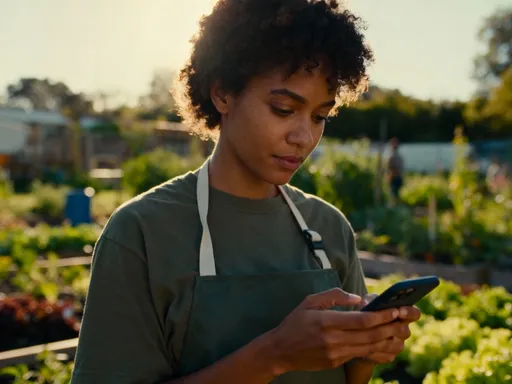
I arrived at the community garden cleanup with a full heart and a pair of work gloves, ready to pitch in. The sun was bright, the air smelled of damp soil and fresh coffee from the donation table, and everyone seemed to know exactly where to go and what to do. I smiled, nodded, handed out supplies—but when it came to speaking up, I froze. Someone suggested splitting into teams, another jumped in with a new idea about compost sorting, and just like that, the conversation moved on. I had thoughts—real ones—but by the time I gathered the courage to speak, the moment had passed. I wasn’t ignored on purpose. No one meant to shut me out. But in the rhythm of fast talk and overlapping voices, my quiet presence faded into the background.
That day, I didn’t leave feeling tired. I left feeling invisible. I cared about the garden, about our neighborhood, about doing good work. But caring didn’t automatically give me a voice. I kept thinking, Why can’t I just say what’s on my mind? Was it shyness? Maybe. But it felt bigger than that. It was the pace, the pressure to respond instantly, the fear that if I stumbled over my words or paused too long, my idea wouldn’t land. I wanted to contribute, not perform. And yet, the unspoken rule seemed to be: if you’re not loud, you’re not present. That disconnect stayed with me long after the dirt had washed off my hands.
The Hidden Barrier: When Good Intentions Aren’t Enough
After that weekend, I started paying closer attention. I noticed how often the same few people dominated conversations, not because they were the most experienced, but because they were the most comfortable speaking on the spot. Others—like me—listened intently, nodded along, maybe even had brilliant ideas, but never found the opening to share. I began to realize that showing up with time and energy wasn’t always enough. The real barrier wasn’t our willingness to serve—it was our ability to be heard.
Think about it: how many times have you been in a group where someone starts to speak, only to be talked over or rushed past? Or when a good idea gets lost because it was whispered at the wrong moment? I saw this happen with teens helping at food drives, with older volunteers who spoke with gentle, measured tones, with non-native English speakers choosing their words carefully. Their contributions mattered, but the format of fast, verbal exchanges didn’t serve them. And here’s the truth I had to admit: I wasn’t going to suddenly become someone who thrived in high-pressure discussions. I didn’t want to. I just wanted to be able to share what I knew, in a way that felt authentic to me.
That’s when it hit me—maybe the problem wasn’t me. Maybe the way we communicate in volunteer spaces just wasn’t built for everyone. And if that was true, maybe there was a way to change it. Technology wasn’t the first solution I considered. I used to think of apps and digital tools as distractions from real connection, not helpers within it. But what if tech could be the quiet bridge between intention and expression? What if it could give people like me a different way in?
A Nudge from a Simple App: Finding My Input Space
The shift started with something small—a suggestion from Maya, a fellow volunteer who always seemed calm in the middle of chaos. One Saturday, while we were waiting for the group to gather, she showed me her phone. On the screen was a shared digital board where anyone could post ideas, questions, or task updates. “We use this before meetings,” she said. “Helps me get my thoughts together so I don’t lose them in the noise.” I watched as she typed a quick note about labeling donation bins by category. Simple. Clear. No pressure to perform.
I went home curious. That night, I created my own test entry on a similar platform—a free, easy-to-use tool I found with a quick search. I wrote: Could we add a small sign near the water station to remind people to refill bottles? Save plastic. It took less than a minute. I hit send, not expecting much. But the next weekend, as we gathered, the coordinator said, “Great idea about the water station sign—let’s make that happen.” My heart jumped. No one knew I’d written it. It didn’t matter. What mattered was that my idea had been seen, valued, and acted on.
That tiny win opened a door. I started using collaborative documents for planning, where I could add suggestions without interrupting. I experimented with voice memo apps, recording short thoughts when writing felt too slow. One week, I sent a 45-second audio note about reorganizing the supply closet by frequency of use. To my surprise, the team lead played it back during our check-in and said, “That makes so much sense—we’ll try it Monday.” I hadn’t raised my hand. I hadn’t spoken a word in the meeting. But I had been heard. These tools didn’t replace face-to-face conversation—they made space for more voices within it. They turned “I wish I’d said something” into “I did say something—and it helped.”
Tech as a Warm Sidekick, Not a Replacement
I’ll be honest—I didn’t want technology to take over our volunteer work. I didn’t want meetings full of people staring at screens or robots assigning tasks. What I wanted was to feel more like myself, not less. The tools that worked for me weren’t flashy or complicated. They were simple, human-centered, and designed to support connection, not replace it.
One app we started using lets volunteers send short voice updates instead of long text chains. For me, this was a game-changer. Sometimes, typing feels stiff. But speaking into my phone in the car on the way to the event? That feels natural. I can say, “Hey, just a thought—could we double the number of hand sanitizers at the kids’ table this weekend?” and send it in seconds. Others can listen when they’re ready, respond when it works for them. No pressure. No awkward silences. Just care, shared at a comfortable pace.
Another tool uses color-coded task boards with simple icons—green for done, yellow for in progress, red for needs help. We added emojis to make it even friendlier: a watering can for garden work, a box for packing donations. Suddenly, assignments weren’t buried in a long email. They were visual, clear, and easy to update. An older volunteer who struggled with fast-paced conversations told me, “Now I can see exactly what’s needed, and I don’t feel rushed to answer.” That’s the kind of win that doesn’t make headlines—but it changes how people feel day to day.
These aren’t magic fixes. They don’t erase nerves or make everyone an extrovert. But they do something quieter and more powerful: they say, Your way of contributing is valid. They act like a warm sidekick—there when you need it, stepping back when you don’t. They don’t speak for you. They help you speak for yourself, in the way that fits you best.
Building Confidence, One Small Share at a Time
Using these tools over several weekends, I noticed a subtle but steady shift in how I showed up. At first, I still hesitated in group discussions. But because I’d already shared ideas online, I felt more grounded. My thoughts had been acknowledged. That gave me courage. Slowly, I started speaking up in person. Not in long speeches—never that. But in small, clear moments. “I suggested this online,” I’d say, pointing to a task. Or, “I recorded a thought earlier—want me to play it?”
What surprised me most was how others responded. They didn’t treat me differently because I’d become loud. They noticed because I’d become present. My contributions weren’t flashy, but they were consistent. I started being asked for input before decisions were made. “What do you think about the schedule?” someone would ask. That trust didn’t come overnight. It grew from the quiet accumulation of being seen, again and again.
And here’s something I didn’t expect: hearing my own voice mattered. When I listened back to a voice memo, I didn’t hear hesitation. I heard care. I heard clarity. It helped me reframe how I saw myself—not as someone who struggled to speak, but as someone with something to say. That shift in self-perception made all the difference. Confidence didn’t come from becoming someone else. It came from finally feeling like me was enough.
Helping Others Find Their Voice Too
Once I saw how much these tools had helped me, I started gently sharing them with others. No pressure. No presentations. Just quiet suggestions in passing. “Hey, if you ever want to share an idea without waiting for a pause in the chat, we’ve got a board for that.” One Saturday, a teenager named Lila, who’d been helping at the food bank for weeks, admitted, “I hate group check-ins. I never know what to say on the spot.” I showed her the shared reflection doc we’d started using. “You can type anytime,” I said. “No deadlines. No judgment.”
The next week, she’d written three thoughtful suggestions about meal packaging efficiency. The team lead read them aloud. Lila blushed—but she smiled too. Later, she told me, “It felt like I was actually part of it.” That moment stayed with me. It wasn’t about the app. It was about belonging.
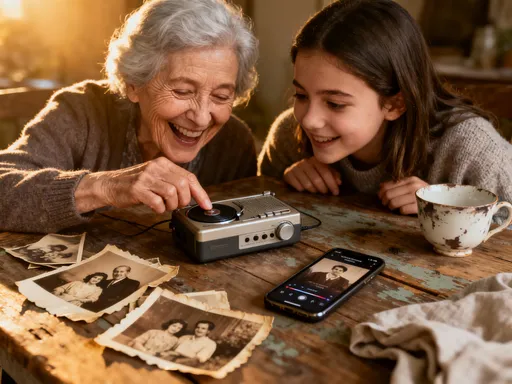
I also noticed Mr. Thompson, a retired teacher who volunteered with us every Sunday, often falling behind in fast conversations. He’d nod along but rarely contribute. I introduced him to a simple voice summary app—one that lets you record short updates and send them to a shared folder. “You can talk at your own pace,” I said. “No need to keep up.” The next week, he sent a beautiful two-minute reflection on how the garden reminded him of his childhood. We played it during our closing circle. The group was silent, then warm with appreciation. Afterward, he said, “I felt heard. Really heard.”
These moments didn’t happen because tech took over. They happened because we chose to make space. We started normalizing multiple ways to participate. Typing. Recording. Drawing on shared boards. No one had to do it all. But everyone could find a way in. And that changed the culture of our group—from one where only the loudest voices shaped things, to one where everyone had a path to contribute.
More Than Tools—A Kinder Way to Connect
Looking back, the apps and tools were just the beginning. They opened a door, but what we built on the other side was something deeper: a belief that every voice matters, no matter how it’s shared. Weekend volunteering stopped being something I observed from the edges. It became something I helped shape, alongside others who also found their way in—through typing, recording, drawing, or speaking when ready.
The real win wasn’t about efficiency, though we did get better at organizing tasks. It wasn’t about speed, though decisions felt more inclusive. It was about belonging. It was about creating a space where a quiet thought could grow into a shared solution. Where someone could say, “I have an idea,” not by shouting, but by pressing send.
If you’ve ever held back, wondering if your voice is welcome, I want you to know this: it is. And if the way you want to share doesn’t fit the usual mold, that’s okay. There are tools—simple, gentle, human ones—that can help you find your rhythm. You don’t have to change who you are to make a difference. You just need a way in. And sometimes, that way is a little app, a shared doc, or a voice memo sent into the quiet. What matters isn’t how you speak. It’s that you do. Because when we all have a way to be heard, we don’t just serve our communities—we strengthen them, one authentic voice at a time.