I Thought I Was Saving Energy—This Charging Myth Was Costing Me Money
We’ve all been there: plugging in our phones overnight, leaving chargers in sockets, and believing we’re being responsible. But what if some of those habits are actually wasting energy and inflating your bills? I used to think “smart” meant fully charged devices. Then I learned the truth about smart charging—and how small changes made my home more efficient, my wallet happier, and my routine simpler. It wasn’t about giving up convenience; it was about upgrading how I thought about power. And once I made the shift, I realized something surprising: the less I worried about charging, the more in control I felt.
The “Fully Charged” Mindset: Why We Keep Devices Plugged In
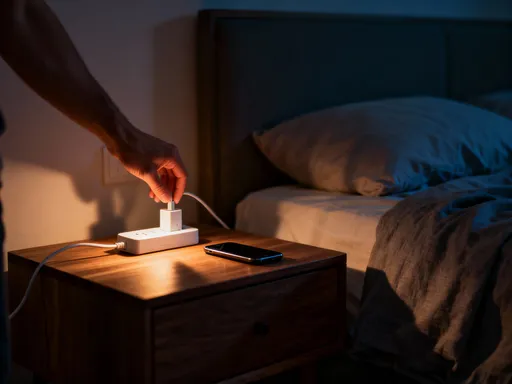
You know that moment just before bed when you glance at your phone and see 40% battery? That tiny flicker of anxiety—what if it dies before morning?—is real. For years, I responded the same way: plug it in, leave it overnight, wake up to 100%. Same with the tablet the kids use for schoolwork, the laptop I check emails on, even the smartwatch that tracks my steps. If it had a battery, it stayed plugged in whenever possible. I told myself I was being practical. “Better safe than sorry,” right? A full charge meant I was prepared, responsible, in control.
But here’s what I didn’t realize: that sense of security came at a cost. Not just to my electricity bill, but to the devices themselves. I was treating my gadgets like gas tanks—fill them up, keep them full, and everything’s fine. But batteries don’t work like that. Lithium-ion batteries, which power most of our devices today, don’t like being stuck at 100% for long periods. It stresses the chemistry inside, leading to what engineers call “battery degradation.” In plain terms? The more often you keep your phone at full charge, the faster its battery wears out. That means over time, it holds less power, needs charging more often, and eventually, you’re shopping for a replacement sooner than you planned.
And it’s not just about device lifespan. There’s an emotional side to this habit, too. That need to see “100%” is almost comforting, like checking that the front door is locked. But it’s also a little obsessive. I’d catch myself walking past a charging phone and feeling oddly satisfied, like I’d accomplished something just by keeping it plugged in. Sound familiar? We’ve been conditioned to believe that power equals readiness, and readiness equals peace of mind. But the truth is, that peace is an illusion. Real peace comes from knowing your habits are actually helping—not secretly hurting—your home, your budget, and your daily rhythm.
Debunking the Biggest Myth: Is Leaving Devices Plugged In Really Safe?
Here’s the myth most of us believe: “Modern devices stop charging when they’re full, so it’s totally safe to leave them plugged in.” And yes, there’s some truth to that. Today’s phones, tablets, and laptops do have systems that reduce or pause charging once the battery hits 100%. But that doesn’t mean they stop using energy. Not completely. Even when your phone says “charged,” the charger is still drawing a tiny bit of power from the outlet. It’s called “standby power” or “vampire power,” and it’s like leaving a faucet slightly open—just a drip, but over time, it adds up.
Think of it this way: when your phone is fully charged but still plugged in, the system does something called “trickle charging.” It lets a small amount of electricity flow in to keep the battery topped off as it naturally loses a little charge. But that trickle never really stops. The charger stays active, drawing power from the wall even when the device doesn’t need it. Now, one charger doing this might only cost a few cents a month. But most homes have multiple devices—phones, tablets, laptops, smart speakers, game controllers, e-readers—all with chargers that stay plugged in. Multiply those little drips across ten or fifteen devices, and suddenly you’re talking about real money. Studies suggest that standby power can account for up to 10% of a household’s electricity use. That’s like leaving a light on in every room, all night, every night.
And it’s not just about money. That wasted energy has an environmental cost, too. Most electricity still comes from sources that produce carbon emissions. So every unnecessary watt we draw contributes to pollution, even if it’s just a trickle. I used to think, “It’s just one charger, it can’t make that big a difference.” But when I started paying attention, I realized how many chargers were just… always plugged in. In the kitchen, the bedroom, the living room. Some weren’t even connected to a device—just waiting. I began unplugging them as a small act of care, not just for my wallet, but for the planet. And honestly? It felt good. Like I was finally closing the loop on something I’d ignored for years.
Smart Charging vs. Old Habits: What Actually Happens When You Plug In?
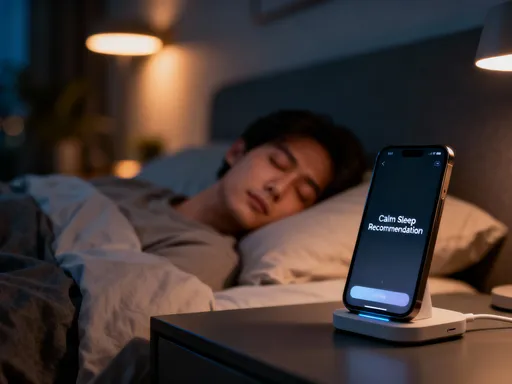
So if leaving devices plugged in isn’t ideal, what’s the alternative? Enter smart charging. This isn’t some futuristic tech only available in labs—it’s already built into many of the devices we own. Smart charging uses software to manage how and when your device charges, based on your habits and needs. Instead of just pumping power until the battery hits 100%, it learns when you typically use your phone and adjusts the charging speed to finish just before you wake up or head out.
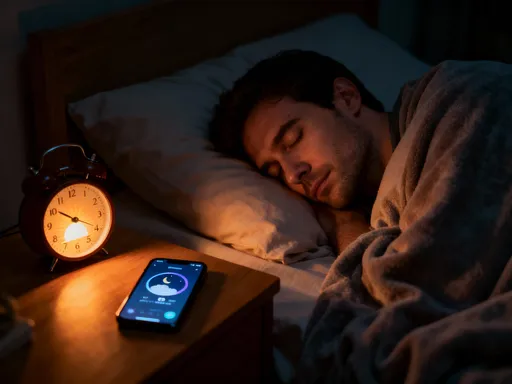
Take my phone, for example. I used to plug it in at 9 p.m. and let it charge all night. Now, I’ve turned on the “Optimized Battery Charging” feature (it’s in the settings under battery). Here’s how it works: the phone learns my routine. If I usually wake up at 7 a.m., it will charge to about 80% by midnight, then pause. Then, around 6:30 a.m., it finishes the last 20%. Why does this matter? Because keeping a battery at 100% for hours stresses it. By delaying that final charge, the battery stays healthier longer. Plus, I’m not drawing power all night. It’s a win-win.
And smart charging isn’t just for phones. Many newer laptops and tablets have similar features. Some even let you set schedules—like “charge only between 2 a.m. and 6 a.m.”—which is especially useful if your electricity company offers lower rates during off-peak hours. I didn’t even know my utility had time-of-use pricing until I started looking into this. Now, I’ve adjusted my charging habits to take advantage of cheaper rates, and my bill has gone down. The best part? I don’t have to do anything different. Once it’s set up, the technology works quietly in the background, like a helpful assistant who knows my schedule better than I do.
Organizing Your Charging Stations: A Practical Step-by-Step Guide
Okay, so you’re sold on smarter charging. But where do you start? My first step was to take a hard look at how chaotic my charging setup had become. Chargers tangled in drawers, cords dangling from nightstands, multiple plugs fighting for space in outlets. It wasn’t just messy—it was inefficient. Devices were charging at random times, some overnight, some during the day, with no real plan. So I decided to create a simple, intentional charging system for my home.
Step one: take inventory. I gathered every charger and device in the house. Not just phones and laptops, but the kids’ tablets, the wireless earbuds, the smartwatch, even the handheld vacuum. I made a list of what we used, how often, and when. This helped me see patterns. For example, the kids only used their tablets in the morning and after school, so they didn’t need to charge overnight. My laptop was mostly used during the day, so it could charge in the late afternoon while I cooked dinner.
Step two: create zones. I picked two main charging spots—one in the kitchen for shared devices like the tablet and the kids’ earbuds, and one in my bedroom for personal devices. In each zone, I installed a smart power strip. These are game-changers. You plug multiple chargers into the strip, and it automatically cuts power to all of them when devices are fully charged or when the main device (like a TV or computer) is turned off. Some even let you control them with an app or voice command. No more forgetting to unplug.
Step three: label and schedule. I used colored tape and small labels to mark which charger goes where. The blue one is for the tablet, the green one for my phone. Then I set charging times. The kitchen strip turns on at 4 p.m. and off at 8 p.m. The bedroom strip charges from 10 p.m. to 6 a.m., but with smart charging enabled, it doesn’t actually charge the full time. This system took less than an hour to set up, and now everything runs smoothly. The kids know where to plug in, I don’t have to think about it, and we’re using less energy. It’s one of those small changes that makes life feel more organized and calm.
Time Your Charge Right: Syncing with Your Daily Rhythm
One of the most powerful things I’ve learned is that charging doesn’t have to be random. When you align it with your daily routine, it becomes effortless. Think about it: you already have natural rhythms in your day. Breakfast, school drop-off, work hours, dinner, bedtime. Why not let charging fit into that flow?
For me, the shift started with my phone. Instead of plugging it in the second I got home, I waited until after dinner. That gave the battery a chance to drain a bit, which is actually healthier. Then, when I did plug it in, I set the smart charging feature to finish around 6:30 a.m. The result? I wake up to a fully charged phone, but it only used power for part of the night. Same with the tablet. I set it to charge during the late afternoon, when electricity rates are lower, and it’s ready for homework by the time the kids get home.
This kind of timing doesn’t just save energy—it reduces stress. I used to feel guilty if I forgot to charge something. Now, I trust the system. I also discovered that charging during off-peak hours can cut costs even more. Many utility companies charge less for electricity late at night or early in the morning. By shifting charging to those times, you’re not just saving energy—you’re saving money. And the best part? You don’t have to change your life. Just plug in at a slightly different time, or let your smart features handle it for you. It’s not about perfection. It’s about progress.
Extending Device Life: How Smart Charging Protects Your Tech
Let’s talk about something that really matters: how long your devices last. I used to replace my phone every two years, partly because the battery got so weak it couldn’t make it through the day. I assumed that was normal. But after switching to smart charging, my current phone is three years old—and the battery still holds strong. That’s not luck. It’s science.
Lithium-ion batteries degrade fastest when they’re kept at high charge levels for long periods. Charging to 100% and leaving it there—especially overnight—accelerates that wear. Smart charging helps by avoiding those extremes. Many experts recommend keeping your battery between 20% and 80% for daily use. That range puts the least stress on the chemistry. Of course, you don’t have to live in fear of your battery percentage. But using features that limit overnight charging or delay the final boost makes a real difference.
The financial benefit is clear: fewer replacements mean more savings. But there’s an emotional benefit, too. There’s something satisfying about keeping a device in good shape for years. It feels responsible. It reduces clutter. And it cuts down on e-waste, which is a growing problem worldwide. Every phone or tablet that lasts one extra year means one less device in a landfill. So when I choose to charge smarter, I’m not just protecting my gadgets—I’m protecting my values. I’m teaching my kids that taking care of what you have matters. And honestly, that feels better than any new device ever did.
Peace of Mind: When Less Charging Means More Living
Looking back, I realize how much mental space I used to give to charging. The anxiety about low battery, the guilt over forgetting to plug in, the frustration when a device died at the wrong moment—it all added up to a kind of low-level stress. I didn’t even notice it until it was gone.
Now, with smart charging and a simple system in place, that stress has faded. I don’t worry about my phone dying. I don’t rush to find an outlet. I don’t wake up to a hot phone that’s been charging all night. Instead, I wake up to a device that’s ready, a lower bill, and a quiet sense of control. It’s not about being perfect. I still forget things. But the system handles most of it for me.
And in that space—quiet, calm, predictable—I’ve found something unexpected: more room to live. I’m not obsessed with battery percentages. I’m not tangled in cords. I’m not annoyed by clutter. I’m just present. Whether I’m reading to my kids, cooking dinner, or enjoying a quiet cup of tea in the morning, I feel more grounded. Because I’ve taken something small, something I used to ignore, and turned it into a practice of care.
Smart charging isn’t just about technology. It’s about intention. It’s about choosing habits that serve you, not stress you. It’s about letting go of myths that don’t help and embracing changes that do. And it’s proof that the smallest shifts—like unplugging a charger or setting a schedule—can add up to a calmer, clearer, more peaceful home. So if you’ve been charging on autopilot, just like I did, I invite you to take a closer look. You might be surprised at how much you gain by letting go of what you thought you knew.