Tired of Taking Perfect Photos Just to Forget What You Loved? This App Tracks Your Progress and Transforms How You Shop
Have you ever snapped dozens of photos while shopping, only to get home and wonder why none of them helped you decide? You’re not alone. We’ve all been there—surrounded by options, trying to remember how that jacket looked or if the couch fit the room. But what if your photo editing app could do more than just brighten images? What if it could quietly learn your style, track your choices, and make future shopping easier? Let me show you how this small tech shift has quietly changed the way I shop, save, and even see myself.
The Moment I Realized My Photos Were Worth More Than Memories
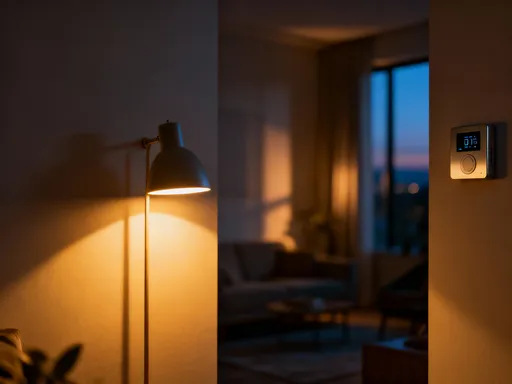
I still remember that Saturday afternoon in the home goods store, standing between three nearly identical floor lamps, phone in hand, snapping photo after photo. I told myself, 'I’ll compare them at home. It’ll be easier when I’m not standing under these bright store lights.' But when I got back, I opened my gallery and… nothing. All three photos looked the same. Same angle. Same shadow. No context. I couldn’t tell which one I actually liked, which one felt right in the space, or even which one I’d instinctively paused on a little longer in the store.
It wasn’t the first time this had happened. In fact, it was becoming a pattern—me, surrounded by beautiful things, trying so hard to make the right choice, only to end up more confused than when I started. My phone was full of these photos: kitchen countertops, fabric swatches, paint samples, outfits I tried on but didn’t buy. Hundreds of images, all meant to help me decide, and yet none of them actually did. They were just… there. Like digital clutter.
That’s when it hit me: we’re using our photo apps wrong. Or rather, we’re using them the same way we did ten years ago, back when all we wanted was to capture a moment. But now, our phones aren’t just cameras—they’re personal assistants, memory keepers, even style coaches. So why are we still treating our photo albums like static scrapbooks instead of living, learning tools? Why can’t our photos do more than remind us of what we saw—why can’t they help us understand what we love?
That frustration wasn’t just about lamps. It was about the bigger picture: how much time, energy, and emotion we pour into small decisions—what to buy, how to decorate, what to wear—only to feel uncertain afterward. And I started wondering: what if technology could help me trust my own taste? What if my phone could learn me, the way a best friend does, just by watching what I pay attention to?
From Snapshots to Smart Insights: How Photo Apps Are Changing
Turns out, the technology was already in my pocket. I just hadn’t been using it right. Most of us think of photo editing apps as tools for making our pictures prettier—adjusting brightness, adding filters, cropping out the corner of someone’s head in a group shot. But the newest generation of photo apps does something quieter, more personal: they learn. Not in a loud, flashy way, but in the background, like a friend who notices things you don’t.
Take auto-tagging, for example. You might have seen it—your phone automatically grouping photos by ‘People,’ ‘Pets,’ or ‘Beach.’ But now, some apps go further. They start to recognize patterns in your visual choices. When I uploaded photos from a furniture store, my app tagged them not just by location, but by style: ‘Mid-century,’ ‘Scandinavian,’ ‘Industrial.’ It didn’t ask me. It just… knew. Or at least, it made an educated guess based on shapes, colors, and lines it had seen before.
And it wasn’t just furniture. I noticed that when I took pictures of outfits, the app began to group them by color palette—‘Cool Tones,’ ‘Earthy Neutrals,’ ‘Bold Prints.’ It even picked up on lighting. One day, a little note popped up: ‘You often take photos in natural light near windows.’ I laughed—because it was true. I never realized how consistent I was until the app pointed it out.
This isn’t AI trying to sell me something. It’s AI helping me see myself. These apps aren’t replacing taste; they’re reflecting it. And the more I used my camera—not just to capture, but to compare and consider—the more the app began to build a quiet, behind-the-scenes profile of what I actually liked. No surveys. No quizzes. Just observation. It was like having a personal stylist who never speaks, but always pays attention.
The shift is subtle, but powerful. We’re moving from photos as records to photos as data. Not cold, clinical data, but warm, personal insights—glimpses into our evolving preferences, habits, and even moods. And the best part? You don’t need a new phone or a fancy subscription. Most of this tech is already built into the apps you use every day. You just have to start using them with intention.
Learning What You Like (Without Thinking About It)
Here’s the thing I didn’t expect: the more I let my app watch, the more I learned about myself. I thought I liked warm lighting in my home. Cozy, golden, inviting. But when I looked at the app’s summary of my most-saved photos, I saw something different. Over 80 percent of the rooms I’d photographed had cool-toned lighting—soft blues, whites, silvery grays. I had no idea. My self-perception didn’t match my behavior.
That’s the power of passive learning. You don’t have to sit down and write a list of your style preferences. You don’t have to fill out a personality quiz titled ‘What Interior Design Style Are You?’ You just live your life, take your photos, and let the technology quietly take notes. Over time, patterns emerge. And those patterns? They’re more honest than any answer you’d give on a questionnaire.
For example, I’ve always thought of myself as someone who loves bold patterns—florals, geometrics, anything with energy. But when I reviewed my most-revisited photos, I noticed something: the ones I returned to again and again were the simplest ones. Solid colors. Clean lines. Minimalist spaces. The bold prints were fun to look at, but the calm, neutral rooms were the ones I kept coming back to. That was a revelation. It wasn’t that I didn’t like bold designs—it was that my ideal space, the one I truly wanted to live in, was quieter, more peaceful.
The app didn’t judge me for the mismatch. It didn’t send me an email saying, ‘Hey, you’re lying to yourself.’ It just showed me the data. And in that moment, I felt seen. Not marketed to. Not sold to. Seen. It was like looking in a mirror, but for my taste instead of my face.
And it’s not just about decor. This works for clothing, too. Some photo apps now include gentle facial recognition features that let you ‘try on’ outfits digitally. I started using it not to buy more, but to understand what actually suited me. I’d take a photo of myself, then overlay different jackets, scarves, or hairstyles. Over time, the app learned which combinations I saved most often. It wasn’t about following trends—it was about discovering what made me feel confident, comfortable, and like me.
Location data played a role, too. I noticed that photos taken in certain neighborhoods—like the artsy part of town with all the boutique shops—tended to have a different style than the ones from the big-box stores. The boutique photos were more curated, more intentional. The app didn’t tell me to stop shopping at big stores, but it did help me see where my inspiration truly came from.
Turning Past Choices Into Smarter Shopping Decisions
Once I had this clearer picture of my preferences, everything changed—especially how I shopped. The next time I went furniture shopping, I didn’t start from scratch. I opened my app and looked at my ‘Most Saved’ folder. There it was: a pattern of clean lines, light wood tones, and neutral fabrics. I even had a side-by-side comparison feature that let me place last year’s favorite armchair next to a new option I was considering. The difference was night and day. I could see, right there on my screen, which one aligned with my actual taste—not just my momentary impulse.
And get this: the app started making suggestions. Not pushy ads, but gentle nudges. ‘You might like this sofa—it’s similar to three items you’ve saved recently.’ I clicked, half-expecting another generic recommendation. But it wasn’t. It was almost perfect. Same leg style. Same fabric texture. Same neutral color family. It was like the app had been inside my head.
This didn’t just save me time. It saved me from regret. How many of us have bought something, brought it home, and thought, ‘Why did I think this would work?’ With this system, that’s happening less and less. Because now, I’m not guessing. I’m comparing. I’m referencing. I’m using my own history as a guide.
One of the most powerful tools? The ‘Compare Mode.’ I use it all the time now. Say I’m choosing between two blouses. I take photos of both, then use the app to overlay them on a picture of myself. I can adjust the lighting, zoom in on details, even see how they look against my most-worn cardigan. It’s not magic—it’s memory, made useful. And because the app remembers what I’ve liked before, it helps me stay consistent with my style, even when I’m tired, stressed, or just having an off day.
It’s also helping me shop more sustainably. When I can see what I already love, I’m less tempted to buy things on impulse. I ask myself, ‘Does this fit the pattern?’ If the answer is no, I walk away. No guilt. No second-guessing. Just clarity.
How Editing Photos Became a Mirror for My Style Growth
What surprised me most wasn’t the convenience—it was the emotional impact. Looking back at my edited photos over the past year, I could see how my taste had evolved. I used to love bold wallpaper, busy patterns, anything that made a statement. Now, my most-edited photos are of calm, airy spaces with soft textures and natural light. It wasn’t a sudden shift. It happened gradually, one photo at a time.
Reviewing these images felt like journaling, but visual. I didn’t have to write down how I was changing—I could see it. And that made all the difference. Because when you can see your growth, you start to trust it. You stop questioning whether you’re making the ‘right’ choice and start honoring what feels true now.
There was one moment that stood out. I was redecorating my bedroom and couldn’t decide between two paint samples. I opened my app and scrolled through the last six months of saved photos. Every single one was of light, warm neutrals—beige, oatmeal, soft white. I hadn’t even realized I’d been moving in that direction. But there it was, in black and white (well, beige and white). So I chose the neutral. And when I painted the room, it felt like coming home.
This isn’t about perfection. It’s about alignment. The app doesn’t tell me what to do. It shows me what I’ve already been doing. And in a world full of noise—ads, trends, social media pressure—having that quiet reflection is priceless. It’s not about buying more. It’s about buying right. For me. For my life. For who I am today.
Simple Steps to Start Tracking Your Own Visual Progress
You don’t need a new app or a tech degree to start this. Here’s how I began—and how you can, too:
First, start naming your folders with intention. Instead of ‘Home Ideas’ or ‘Clothes,’ try ‘Cozy Bedroom Vibes’ or ‘Outfits That Make Me Feel Confident.’ The words you use shape how you think. And when you label something with feeling, you start to notice patterns faster.
Second, be consistent with your photos. Try to take them in similar lighting—natural light is best—so you can compare them fairly. I always take product photos near a window now. It makes a huge difference in how accurate they look later.
Third, review your saved images once a month. Sit down with your phone, scroll through your favorites, and ask yourself: ‘Which ones do I keep coming back to? What do they have in common? Is there a color, shape, or feeling that shows up again and again?’ You’ll be amazed at what you notice.
Fourth, use the comparison tools your app already has. Most photo apps let you view two images side by side. Use that. Put last year’s favorite dress next to a new option. See how they feel together. Let your past choices guide your present ones.
And finally, don’t overthink it. This isn’t about being perfect. It’s about being present. Some weeks, I don’t take any style photos. Some months, I forget to review. That’s okay. The app keeps learning, even when I’m not paying attention. And when I come back, the insights are still there, waiting for me.
More Than Shopping: A New Way to Know Yourself
In the end, this isn’t really about shopping. It’s about self-awareness. It’s about using the tools we already have to understand ourselves a little better. Because when you can see your preferences clearly—when you can watch your taste evolve over time—you start to make choices with more confidence, more calm, and more joy.
Whether you’re picking out a new sofa, choosing an outfit for a big meeting, or redesigning your kitchen, this quiet tracking helps you stay true to yourself. It’s not about following trends. It’s about honoring your journey. And in a world that’s always telling us we need more, this feels like a quiet rebellion: I don’t need more. I just need to know what I already love.
So the next time you take a photo—not to post, not to share, but just to remember—ask yourself: what can this image teach me? Because your photos aren’t just memories. They’re clues. They’re patterns. They’re proof of who you’re becoming. And with a little attention, they can become one of your most trusted guides.
Technology doesn’t have to be cold or complicated. Sometimes, it’s just a mirror, quietly helping you see yourself more clearly. And that? That’s worth every photo you’ve ever taken.