More than Comfort: How Smart Home Systems Gave My Evenings Back
There was a time when my evenings felt like a never-ending to-do list—lights to turn on, temperatures to adjust, devices to plug in, all while trying to unwind. I was exhausted before I even sat down. Then I started small: a smart speaker here, an automated light there. Now, with just a voice command or a tap, my home knows what I need. The change wasn’t flashy, but it was real. My evenings are calmer, more present, and finally mine again. If you’ve ever collapsed on the couch only to jump up five times before bed—did I lock the door? Is the oven off? Why is it so bright?—then you know exactly what I mean. This isn’t about having the fanciest gadgets. It’s about reclaiming peace, one quiet moment at a time.
The Evening Struggle: Life Before Smart Home Systems
Let’s be honest—before any smart tech entered my life, evenings were a blur of motion and mental load. The moment I walked in the door, my brain kicked into checklist mode: turn on lights, adjust the thermostat, start dinner, remind the kids about homework, check the laundry, plug in the coffee maker for tomorrow. And that was just the beginning. By the time I finally sat down, I felt like I’d run a marathon. The house itself seemed to demand constant attention. Did I leave the back door unlocked? Is the iron still hot? Why does it feel like a freezer in here?
It wasn’t just the physical tasks—it was the mental clutter. I’d lie in bed trying to relax, only to sit bolt upright, wondering if I’d turned off the stove. That low hum of anxiety became normal. I wasn’t living in my home; I was managing it. And the worst part? I didn’t even realize how much energy I was spending until it started to change. My family moved through the house like ships passing in the night—everyone doing their own thing, no rhythm, no flow. The kids would leave lights on in every room, and I’d end up playing detective, walking from room to room like a night watchman. I wanted to enjoy my time at home, but instead, I was constantly fixing it.
Sounds familiar? If you’ve ever spent more time maintaining your house than living in it, you’re not alone. That’s the hidden cost of modern life—we’ve built homes full of conveniences, but they still require so much of us. The irony is, we work all day to come home and rest, but then we spend our downtime doing chores just to make the house feel livable. I started to wonder: what if the house could help me, instead of the other way around?
First Steps: How I Started My Smart Home Journey
I didn’t jump into smart home tech with a master plan. I wasn’t trying to build a futuristic mansion. I just wanted one thing to be easier. So I started with a single smart speaker—something small, something I could return if it didn’t work out. I placed it in the kitchen, mostly because that’s where I spent the most time. At first, I used it for the basics: setting timers while cooking, asking for the weather, playing soft music during dinner. Simple things. But then I discovered I could say, “Hey, turn off the kitchen lights,” and they’d actually turn off. No getting up. No fumbling for the switch. Just… done.
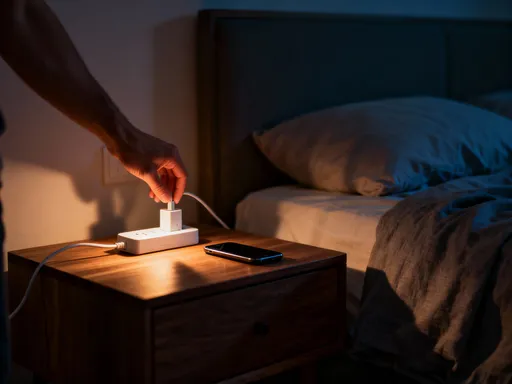
That small win changed everything. It wasn’t about laziness—it was about relief. For the first time, I felt like my home was responding to me, not the other way around. So I took the next step: I bought a smart plug. I plugged in a lamp in the living room and set it to turn on at sunset. The first evening it happened automatically, I actually said out loud, “Okay, that’s kind of magical.” I didn’t have to remember. The house just knew.
Of course, it wasn’t all smooth sailing. I had my share of hiccups—devices not connecting, apps freezing, my kids renaming the speaker something silly. But each little challenge taught me something. I learned to check Wi-Fi signals, to update firmware, to name devices clearly so I wouldn’t accidentally turn off the bathroom light when I meant to turn off the porch. And slowly, I built confidence. I realized I didn’t need to understand every technical detail. I just needed to know what I wanted the house to do—and then find a tool that could help.
Starting small made all the difference. I wasn’t overwhelmed. I could see progress. And most importantly, I could share it with my family. When my daughter saw the lights dim automatically, she said, “Mom, it’s like the house is breathing.” That’s when I knew—this wasn’t just about convenience. It was about creating a space that felt alive, responsive, and kind.
The Transformation: What Changed in My Evening Routine
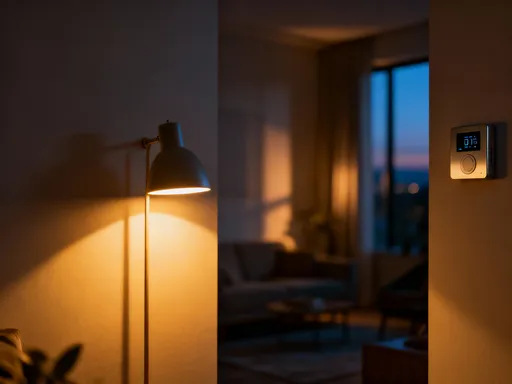
Once I had a few smart devices working together, my evenings began to shift in ways I didn’t expect. It wasn’t one big change—it was a series of small, quiet improvements that added up. The first thing I noticed? I stopped walking around the house at night. No more checking switches, no more second-guessing. The lights now follow a rhythm: they brighten in the early evening for homework and cooking, then gently dim as bedtime approaches. I set a routine called “Evening Wind Down” that turns on soft lighting, lowers the thermostat to 68 degrees, and starts playing a calm playlist. All of it happens with one tap on my phone—or even better, automatically based on the time.
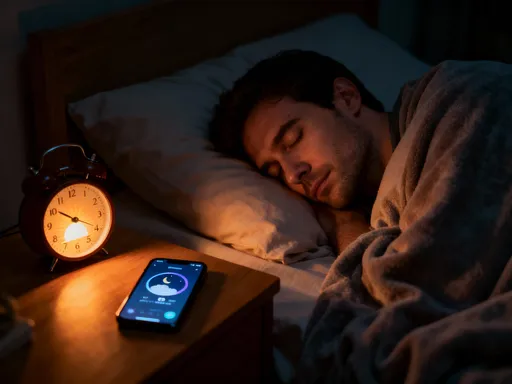
The thermostat was another game-changer. Before, I’d either forget to adjust it and wake up too hot or too cold, or I’d spend time fiddling with the settings. Now, my smart thermostat learns our schedule. It cools the house during the day when we’re out, then warms it up just before we get home. In the evening, it slowly lowers the temperature to help everyone sleep better. I didn’t realize how much physical comfort affects mood until I stopped fighting with the climate in my own home.
And then there’s the music. I used to have to ask, “Who left the TV on?” or “Can someone turn that down?” Now, I can control audio from anywhere. If I’m in the kitchen and want to play a playlist in the living room, I just say it out loud. If the kids are winding down, I can play soothing sounds through their bedroom speakers. It’s not about having surround sound—it’s about creating a mood, a feeling of calm that moves through the house like a gentle wave.
These changes didn’t make my life flashy or high-tech. They made it quieter. More intentional. I found myself actually sitting down and staying seated. I wasn’t jumping up every five minutes. I could read a book, talk to my husband, or just stare out the window without feeling like I had to “do” something. The house was doing things for me. And in that space, I began to breathe again.
Family Harmony: How Smart Systems Improved Our Time Together
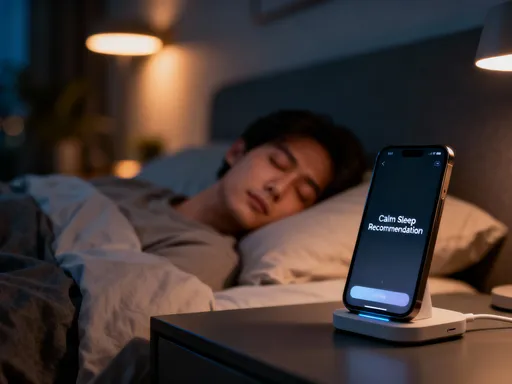
One of the most unexpected benefits of our smart home wasn’t personal—it was relational. I didn’t set out to improve family dynamics, but that’s exactly what happened. With fewer chores pulling me away, I was more present. And because the systems created natural routines, the kids adapted without resistance. We set up a “Bedtime Mode” that turns off all screens at 8:30 p.m., dims the lights, and sends a gentle reminder to start brushing teeth. At first, I worried they’d fight it. But because it’s not me nagging—it’s the house “reminding” them—they actually listen.
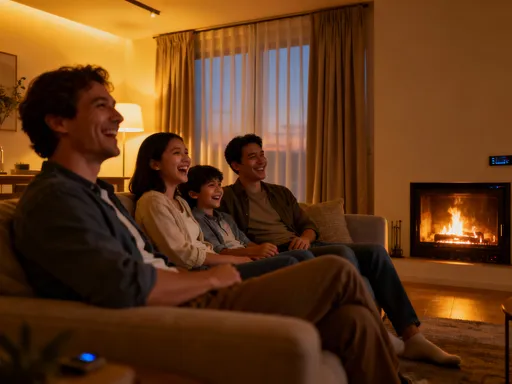
There’s less friction now. I don’t have to say, “Turn off the lights!” for the tenth time. I don’t have to chase anyone to lock the door. Those little daily battles? They’ve faded away. Instead, we talk more. We laugh more. We play board games by candlelight (well, smart-light light) and actually finish them because no one gets up to “check something real quick.” The house supports our time together instead of interrupting it.
I’ve also noticed that my kids feel more responsible. They can use voice commands to control their own lights or check the weather for tomorrow’s outfit. My son loves saying, “Hey, set a timer for 20 minutes,” when he’s doing homework. It gives him a sense of control. And because the technology is easy to use, he doesn’t feel excluded. Everyone, from the youngest to the oldest, can participate in how the home works.
Even my mother, who was skeptical at first, now asks, “Can your house tell me when the front door opens?” When I showed her she could get a notification on her phone when we arrive home safely, her eyes lit up. It wasn’t about the tech—it was about connection, about knowing we’re okay. That’s when I realized: a smart home isn’t cold or impersonal. When used with care, it can actually deepen the warmth in your home.
Peace of Mind: The Hidden Gift of Feeling Truly at Ease
Beyond the convenience and family time, the biggest surprise was the peace of mind. I didn’t realize how much background anxiety I carried until it started to lift. How many times had I driven away from home and circled back because I wasn’t sure I’d locked the door? How many nights had I double-checked the stove, just in case? That low-grade worry was a constant companion—until I could check remotely.
Now, if I’m at the grocery store and wonder if I left the iron on, I can open an app and see. If the back door is unlocked, I get a notification—and I can lock it from my phone. Motion sensors let me know if someone’s at the front door, even if I’m upstairs. It’s not about fear. It’s about freedom. Knowing my home is secure means I can truly relax when I’m in it—and when I’m away.
One rainy evening, I was at a friend’s house when I got an alert that the garage door was open. I closed it from my phone, no drama, no driving back in the storm. That small moment made me realize how much energy I used to waste on worry. Now, I trust my home to look out for me. And that trust has given me something priceless: the ability to be present, wherever I am.
It’s not just about security, either. Smart sensors can monitor for water leaks, high humidity, or extreme temperatures. I have one under the sink in the kitchen that would alert me if there’s a slow leak—something that could go unnoticed for weeks in a traditional home. These features aren’t glamorous, but they’re deeply reassuring. They’re like silent guardians, working in the background so I don’t have to.
Making It Work for You: Simple Steps to Start Tonight
If you’re curious about smart home tech but feel overwhelmed, I get it. The market is full of choices, and it’s easy to feel like you need to do it all at once. But here’s the truth: you don’t. You can start tonight, with one small step. Pick one pain point—something that frustrates you every evening—and solve it with one device. Is it the hassle of turning off lights? Try a smart bulb in your most-used room. Do you forget to lock the door? A smart lock can give you peace of mind with remote access.
Start with a user-friendly system. Look for brands that work with voice assistants like Alexa or Google Assistant—this makes control easier for everyone in the house. And don’t skip the setup. Take time to name your devices clearly: “Kitchen Overhead Light,” not “Device 3.” This sounds minor, but it makes a big difference when you’re saying commands out loud.
Create simple routines. Most apps let you build “scenes” or “automations.” Try one called “Goodnight” that turns off all lights, locks the doors, sets the thermostat, and arms your security system with one tap. Or set a “Welcome Home” routine that turns on entryway lights and adjusts the temperature when your phone senses you’re nearby—this is called geofencing, and it’s easier than it sounds.
Involve your family. Let everyone pick one thing they’d like to automate. Maybe your partner wants the coffee maker to start at 7 a.m., or your teenager wants music to play when they get home. When everyone has a say, adoption feels natural, not forced. And remember: it’s okay to start slow. One device. One room. One win at a time.
A Smarter Life, Not a Smarter House: Why This Matters Beyond Technology
Looking back, the real transformation wasn’t in my home—it was in my life. The lights, the locks, the thermostat—they’re just tools. The magic is in what they gave me back: time, calm, presence. I used to think smart home tech was about luxury or novelty. Now I know it’s about intention. It’s about designing a life where the little things don’t drain you, so you can focus on what matters—your family, your rest, your joy.
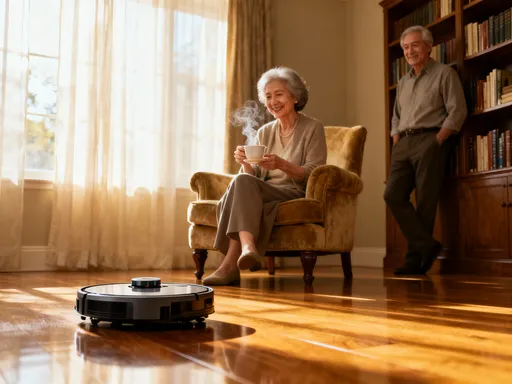
Those quiet evenings I once dreamed of? I have them now. I can sit with a cup of tea and watch the sunset without jumping up to “fix” something. I can listen to my daughter’s stories without mentally checking off chores. I can go to bed knowing the house is secure, the temperature is right, and tomorrow will start smoothly because the coffee maker is already programmed.
This isn’t about living in a sci-fi movie. It’s about living more fully in the real world. The future of home isn’t cold automation—it’s warm support. It’s technology that fades into the background so life can take center stage. And for anyone who’s ever felt too busy, too tired, or too scattered to enjoy their own home, that’s not just convenient. It’s life-changing.