What If Your Family’s Safety Habit Could Be as Easy as Brushing Teeth?
Imagine never worrying about whether your elderly parent remembered to take their medication—or if your teenager got home safely after dark. These quiet fears linger in every household. But what if a simple daily habit, no more complex than setting a coffee maker, could bring real peace of mind? That’s the quiet power of modern emergency assistance systems: not just gadgets, but gentle guardians woven into the rhythm of ordinary life. They don’t shout for attention; they simply stand by, ready when needed. And when used consistently, they do more than respond to emergencies—they reshape how we feel about safety, care, and connection in our homes.
The Hidden Stress of Caring from Afar
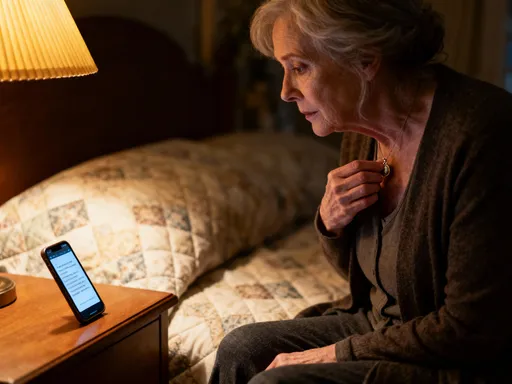
Let’s be honest—most of us are carrying invisible weight. You’re managing your job, your kids’ schedules, maybe a household renovation or a long-overdue closet cleanup. And somewhere in the back of your mind, there’s that soft but constant hum: Did Mom eat today? Is Dad okay after his doctor’s appointment? Or, if you’re a parent of a teen living away from home: Did she get back from her study group safely? These aren’t crisis-level worries, but they’re persistent. They show up when you’re folding laundry, when you’re trying to fall asleep, or when your phone stays silent past dinnertime.
I remember one winter night, I called my mom three times before bed. No answer. Her car was in the driveway—so I knew she was home—but my imagination ran wild. Was she in the bathroom? Did she fall? Was she okay? I finally drove ten minutes to her house just to check. She opened the door, surprised, holding a book. “I was reading,” she said. “I didn’t hear the phone.” I laughed, but I almost cried too. Because that moment wasn’t really about her hearing the phone—it was about me realizing how much emotional energy I was spending on worry.
And I’m not alone. So many women I talk to—mothers, daughters, sisters—carry this same load. We’re the ones who notice when something’s off. We’re the ones who remember birthdays, prescription refills, and which cousin needs a ride to physical therapy. But that role comes at a cost. The constant vigilance can wear us down. It’s not just about being busy; it’s about being emotionally stretched. And the hardest part? We often don’t talk about it. We don’t want to seem overbearing or anxious. But the truth is, caring from a distance doesn’t have to mean living in a state of quiet dread.
What if, instead of reacting to fear, we could build a small, simple habit that quietly reassures us—every single day? Not a dramatic fix, not a high-tech overhaul, but something as gentle and automatic as brushing your teeth before bed. That’s where modern safety technology comes in, not as a cold machine, but as a soft, steady presence that says, You’re not alone. Help is close.
How Emergency Assistance Systems Work—Without the Tech Jargon
Now, I know what you might be thinking: Oh great, another gadget to charge, learn, and eventually forget in a drawer. I’ve been there too. But emergency assistance systems aren’t like that. They’re not complicated. In fact, they’re designed to be so simple that even if you’ve never used a smartwatch or a voice assistant, you can still use one without stress.
Think of it like this: when you get in your car, you automatically buckle your seatbelt. You don’t think about it. You don’t debate it. It’s just part of the routine. Emergency assistance tools work the same way. They’re not meant to take over your life—they’re meant to sit quietly in the background, like a seatbelt for everyday safety. And just like a seatbelt, they’re there for the rare moment when you really need them.
Most systems today come in a few simple forms. There’s the wearable help button—often a small pendant or wristband that you can press if you need help. Some look like regular jewelry. Others clip onto a belt or fit in a pocket. Then there are motion sensors—small devices placed in key rooms like the bedroom or bathroom. They don’t record video or sound. Instead, they gently track movement patterns. If someone hasn’t moved in an unusual amount of time—say, overnight when they’re usually active—the system can send a quiet alert to a family member or a 24/7 monitoring center.
And then there are voice-activated helpers. You might already have one—like a smart speaker in the kitchen. These can do more than play music or set timers. With the right setup, you can say, “I need help,” and it will reach out to someone you trust. No buttons, no stress. Just your voice.
The best part? These systems don’t replace human care. They don’t mean you stop calling your mom or checking in on your sister. Instead, they support you. They give you a second layer of reassurance. Because sometimes, the person who needs help can’t reach the phone. Or maybe they’re disoriented and don’t know who to call. That’s when these tools step in—not to take over, but to make sure no cry for help goes unheard.
Why Habits Matter More Than Gadgets
Here’s something I’ve learned: having the tool isn’t the same as using it. I once bought a fancy water bottle with a reminder app. I used it twice. Why? Because it didn’t become part of my routine. It felt like another task on a long list. And that’s exactly what happens with safety tech when we don’t treat it like a habit.
Technology only works when it feels natural. When it’s not a chore. When it doesn’t require thinking. That’s why the real secret isn’t the gadget—it’s the routine. It’s how you weave it into the moments you already live. Because if it feels like a medical device, people resist it. But if it feels like part of your normal day, it sticks.
Behavioral science shows us that habits are built through tiny cues. You brush your teeth because you see the toothbrush. You make coffee because the pot is on the counter. These are triggers. So when we introduce a safety device, we need to attach it to something familiar. Maybe it’s charging the pendant every night next to your reading glasses. Maybe it’s saying “Goodnight, system” out loud like a family ritual. Or maybe it’s wearing the button during breakfast, when you’re already putting on your watch and necklace.
I spoke with a woman named Linda who introduced a help button to her mom. At first, her mom refused. “I’m not sick,” she said. But Linda didn’t push. Instead, she waited. Then one day, she said, “Mom, I worry. When I know you’re wearing this, I sleep better.” And she let her mom choose the color—rose gold, not medical gray. Slowly, her mom started wearing it during the day. Then she left it on the nightstand. Then she wore it to bed. Now, it’s just part of her routine—like slipping on her slippers after dinner.
That’s the shift we’re after. Not fear. Not urgency. Just gentle, consistent presence. Because when safety becomes a habit, it stops feeling like a warning sign and starts feeling like care.
Building the Routine: A Week-by-Week Guide
So how do you actually make this happen? Not with a big announcement or a lecture. Not with guilt or pressure. But with patience, and a plan that respects the rhythm of daily life. Here’s a simple, realistic way to introduce an emergency assistance system—step by step, week by week.
Week One: Unbox Together—No Pressure. This isn’t about setup. It’s about curiosity. Sit down with your loved one—your mom, your sister, your adult child—and open the box together. Let them hold the device. Try it on. Ask, “What do you think?” Don’t talk about emergencies. Don’t say, “What if you fall?” Instead, say, “This is something that might help us both feel more connected.” Let it live on the coffee table for a few days. Let it become familiar, not frightening.
Week Two: Wear It During the Day. Start small. Ask them to wear the button or pendant for just a few hours—while gardening, cooking, or reading. No need to wear it all day. The goal is to get used to the feel of it. Does it tug on a sweater? Is it comfortable? Can they forget it’s there? That’s actually good. Because the best safety tools are the ones you don’t notice—until you need them.
Week Three: Practice a Mock Alert. This is the step most people skip—but it’s the most important. Run a test. Press the button together. See what happens. Maybe a voice says, “Help is on the way.” Maybe a text goes to your phone. The point isn’t to scare anyone—it’s to demystify. When people understand how it works, they’re less afraid of pressing it by accident. One daughter told me her mom was scared she’d “bother someone.” After the test, she laughed. “So that’s it? That’s all it does? I can handle that.”
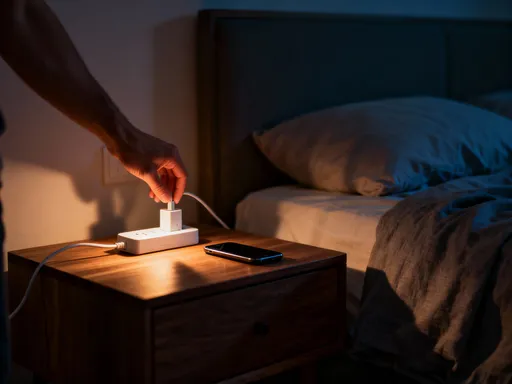
Week Four: Anchor It to a Daily Ritual. Now, link it to something already in motion. Maybe it’s part of the morning routine: “Put on your necklace, your watch, and your help button.” Or maybe it’s nighttime: “Charge your phone, charge your button.” You could even make it part of a goodnight call. “Did you press your button today? Just kidding—but I love you, and I’m glad you’re safe.”
The key is consistency, not perfection. Some days, they’ll forget. That’s okay. Don’t scold. Don’t nag. Just gently remind. Because habits take time. But when they stick, they bring a kind of quiet confidence—not just for the person wearing the device, but for everyone who loves them.
When It Works: Stories That Warm the Heart
Let me tell you about Maria. She’s 72, lives alone, and walks her dog every evening. One winter night, she slipped on ice in her backyard. She couldn’t get up. Her phone was inside. But she was wearing her help pendant. She pressed it. Within minutes, a monitoring agent called through the base unit. “Maria, this is Sarah from the response center. Are you okay?” Maria said, “I’ve fallen. I can’t move.” Help was dispatched. Her daughter was notified. By the time the ambulance arrived, her family was already on their way.
No drama. No panic. Just a calm chain of care, started by one small button.
Or take James, a retired teacher. He lives in a quiet neighborhood and likes his independence. His daughter gave him a voice-activated system for his birthday. He used it mostly for weather updates and music. Then one night, he felt dizzy. He didn’t want to “bother” anyone. But then he remembered the device. He said, “I need help.” The system called his daughter and the monitoring center. She called him right away. “Dad, I’m on my way. Just stay calm.” He wasn’t seriously hurt—but he was relieved. And so was she.
These aren’t rare miracles. They’re real, everyday moments where technology did exactly what it was meant to do: shorten the gap between need and response. But more than that—they preserved dignity. Maria didn’t have to crawl to the phone. James didn’t have to feel guilty for asking for help. They were able to stay in control, even in a moment of vulnerability.
And for the families? The relief is deep. One woman told me, “Before, I’d wake up at 3 a.m. wondering if my mom was okay. Now, I still think of her—but I don’t panic. I know the system is there. It’s like having a quiet friend in the room with her.” That’s not just safety. That’s peace.
Overcoming Resistance with Empathy
Let’s face it—not everyone jumps at the idea. Some people say no. Some say, “I’m not ready.” Some say, “I don’t want to feel like an old person.” I’ve heard it all. And honestly? That resistance makes sense. Because what we’re really asking is, “Will you accept that you might need help someday?” That’s a big emotional question. It’s not about the device—it’s about identity, pride, and the fear of losing control.
So how do we respond? Not with facts. Not with statistics. But with empathy. Start by listening. Ask, “What worries you about this?” Maybe they’re afraid it means they’re “giving up” independence. Maybe they don’t want to feel watched. Maybe they just hate how it looks.
One daughter told me she succeeded only after she stopped pushing. Instead, she said, “Mom, this isn’t about you being weak. It’s about me being calmer. When I know you’re safe, I can be a better daughter. I can enjoy our calls instead of worrying through them.” That shifted everything. Because it wasn’t about her mom’s limits—it was about their relationship.
Design matters too. If the device looks clinical, it feels clinical. But today, many look like fashion accessories. Pendants come in silver, rose gold, even with gemstones. Wristbands look like fitness trackers. Some can be hidden in a shoe or a belt. Let them choose. Let them feel ownership.
And involve them in the process. “Do you want it to call me first? Or the monitoring center? Do you want a voice system or a button?” When people feel in control of the decision, they’re more likely to accept the tool. Because it’s not something done to them—it’s something chosen by them.
Peace of Mind as a Daily Practice
In the end, this isn’t really about technology. It’s about love. It’s about the quiet, fierce desire to protect the people who matter most. And it’s about giving ourselves permission to let go of some of that weight we’ve been carrying.
Peace of mind isn’t something you buy in a box. It’s something you build, day by day. It grows when you see your mom wearing her pendant without being asked. It deepens when your teen says, “I’m home,” and you know the motion sensor just lit up. It settles in when you go to sleep without checking your phone one more time.
And over time, something shifts. The device becomes invisible not because it’s ignored—but because it’s trusted. It becomes part of the home’s heartbeat. A silent promise that care is always within reach.
So yes, this small habit—pressing a button, charging a device, running a test—can feel like a tiny thing. But tiny things, when done consistently, change everything. They don’t just keep us safe. They let us live more fully. They free us to focus on what really matters—laughing with our kids, enjoying a quiet cup of tea, calling a friend just to catch up.
Because safety isn’t just about avoiding danger. It’s about creating space for joy. And when we weave that safety into our daily lives—gently, lovingly, consistently—we don’t just protect our families. We nurture a deeper sense of connection, calm, and confidence. And isn’t that the kind of life we all want to live?