Why are you still guessing your workout plan when your smart devices can guide you better?
We’ve all been there—standing in front of a treadmill, unsure how hard to push, or skipping stretches because we don’t know what our body truly needs. Exercise shouldn’t feel confusing or overwhelming. What if your fitness routine could adapt to your mood, energy, and progress—just like a thoughtful friend? Today, smart technology does exactly that, quietly learning your habits and offering personalized guidance that fits your life. No more rigid schedules, no more guessing if you're doing enough. Instead, your devices are becoming trusted companions, helping you move with purpose, recover with intention, and grow stronger in ways that feel natural. This isn’t about chasing perfection—it’s about building a healthier, more balanced version of you, one smart step at a time.
The Frustration of Generic Fitness Advice
Let’s be honest—how many times have you tried a workout plan only to feel more drained than energized? Maybe you followed a popular online routine that promised results in 30 days, only to find yourself sore, discouraged, and too busy to keep up. You’re not alone. So many of us fall into the trap of one-size-fits-all fitness advice. We see influencers doing intense morning workouts and think, If they can do it, why can’t I? But here’s the truth: their life isn’t your life. Their energy levels, schedule, stress, and even sleep patterns are different. What works for someone else might leave you feeling defeated before the week even begins.
Think about it—when was the last time a fitness plan asked how you were feeling before telling you what to do? Most don’t. They assume you’re ready to sprint, lift, or stretch on command, regardless of whether you slept poorly, had a stressful day at work, or are recovering from a cold. That’s like wearing the same shoe size as everyone else and expecting it to fit perfectly. It just doesn’t work. And over time, this mismatch leads to frustration. You start questioning your motivation, your willpower, even your strength. But the real issue isn’t you—it’s the lack of personalization. The plan wasn’t built for you. It wasn’t built with your mornings, your family duties, or your body’s signals in mind.
Take Sarah, a mom of two who works part-time from home. She tried a popular 6 a.m. workout challenge, but by day five, she was exhausted. Her kids were up late, she hadn’t slept well, and forcing herself into high-intensity intervals only left her dizzy and irritable. She didn’t lack discipline—she lacked a plan that respected her reality. That’s where smart fitness technology steps in. Instead of pushing you to fit a mold, it molds itself to fit you. It doesn’t assume you’re ready to go hard every day. It asks, How are you today? And based on real data—not guesswork—it suggests what your body actually needs. No guilt, no pressure, just support that feels like it finally gets you.
How Smart Systems Learn Your Rhythm
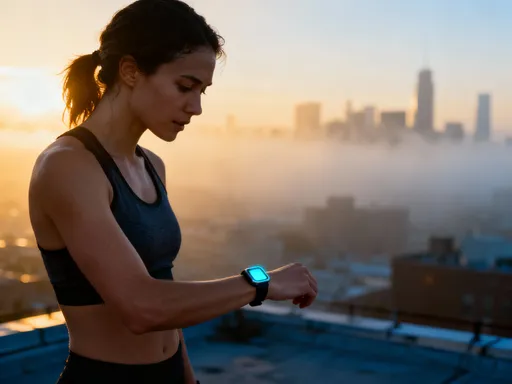
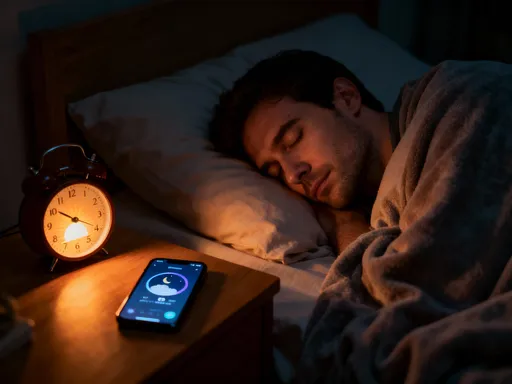
So how does this kind of personalization actually happen? It starts with data—but not in the scary, Big Brother kind of way. Think of it more like a close friend who pays attention over time. Your smartwatch, fitness app, or wearable device quietly observes patterns: how long you sleep, how your heart rate responds to stress, when you’re most active, and even how quickly your body recovers after a workout. It doesn’t judge you for skipping a session or for eating pizza on the couch one night. Instead, it uses that information to understand your rhythm—the natural flow of your energy, mood, and physical state.
Over weeks and months, these systems begin to recognize your patterns. Maybe they notice you’re most alert on Tuesday mornings after a full night’s sleep, or that your energy dips every Thursday after back-to-back meetings. They see when you’re making progress—like when your resting heart rate drops slightly or when you complete a walk faster than last week. And just as importantly, they notice when you’re not at your best. If your sleep was light or your stress levels are high, the system picks up on that too. It’s not about pushing you harder when you’re struggling. It’s about knowing when to suggest rest, when to ease up, and when to celebrate small wins.
This is where the magic happens. The technology isn’t just tracking numbers—it’s building a relationship with your health. It starts to anticipate your needs before you even voice them. You don’t have to ask, Should I work out today? Your device might say, You’ve been sitting a lot, how about a 10-minute stretch? Or after a tough week, it might recommend a gentle yoga flow instead of a high-intensity session. It’s like having a fitness coach who’s always paying attention, not just to what you do, but to how you’re doing. And the more you use it, the smarter it gets. It learns your preferences, your pace, and even your emotional cues. Over time, it becomes less of a tool and more of a trusted partner in your wellness journey.
Real-Time Adjustments That Feel Human
One of the most powerful things about modern fitness technology is its ability to respond in the moment. It’s not just about reviewing your data at the end of the week. It’s about guiding you right now, in real time, with care and awareness. Imagine this: you start a workout feeling great, but halfway through, your heart rate spikes higher than expected. Instead of pushing through—something we’ve all been taught to do—your earbuds gently say, Your heart rate is elevated. Would you like to slow down or switch to a lighter routine? That’s not a machine being bossy. That’s a system looking out for you.
These real-time adjustments aren’t random. They’re based on your personal baseline—what’s normal for you. So if your resting heart rate is usually 65 and it’s suddenly 80 before you’ve even started moving, the system knows something’s off. Maybe you’re dehydrated, stressed, or coming down with something. Instead of blindly following a pre-set plan, the technology adapts. It might shorten your session, suggest breathing exercises, or even recommend a rest day. And here’s the beautiful part: it doesn’t make you feel like you’ve failed. It makes you feel seen.
I remember a time when I was preparing for a busy week—lots of deadlines, little sleep—and I tried to power through my usual morning run. Within minutes, my watch buzzed: Recovery time is low. Consider a lighter activity. I almost ignored it, thinking, I have to push through. But I listened. I switched to a 20-minute walk with light stretching. And you know what? I felt better all day. More focused, less tense, and honestly, more in control. That moment taught me something important: technology doesn’t have to be cold or demanding. When designed with care, it can feel surprisingly human. It doesn’t replace your intuition—it supports it. It helps you tune in, not tune out. And in a world where we’re constantly rushing, that kind of gentle guidance can be a game-changer.
Smoother Integration into Daily Life
The best technology doesn’t shout for attention—it fits quietly into your day, like a well-placed kitchen tool or a favorite pair of slippers. And that’s exactly how smart fitness tools should work. They’re not meant to add another task to your to-do list. They’re meant to weave movement into your life in ways that feel natural, almost effortless. Think about how often you sit for hours—working, helping kids with homework, scrolling through recipes. It’s easy to go from morning to night without really moving. But what if a soft chime from your watch reminded you to stand and stretch every hour? Not with guilt, not with a loud alarm, but with a kind nudge: Time to move your body.
Or imagine your smart speaker suggesting a five-minute shoulder roll and neck release while you wait for the kettle to boil. These aren’t full workouts, but they matter. They break up long stretches of sitting, improve circulation, and help you feel more present in your body. And because they’re small and doable, they don’t feel like a burden. They feel like little acts of self-care. Over time, these micro-moments add up. You’re not carving out an hour at the gym—you’re simply moving more, more often, in ways that fit your real life.
And the beauty is, the system learns when these prompts work best for you. Maybe you’re most responsive in the late afternoon, or maybe mornings are better after you’ve had your coffee. It adapts. It might even sync with your calendar—if it sees a gap between meetings, it could suggest a quick walk around the block. This isn’t about turning you into a fitness robot. It’s about helping you stay connected to your body, even on the busiest days. The goal isn’t perfection. It’s consistency. It’s showing up for yourself, in small but meaningful ways, without drama or pressure. And when technology supports that, it stops feeling like a gadget and starts feeling like a true ally.
Building Confidence Through Personalized Feedback
Let’s talk about progress—because it’s not always what we think it is. Most of us look for big, flashy results: weight loss, muscle gain, running faster. But real progress often happens in the quiet moments. The first time you notice you’re not winded after climbing stairs. The day you realize you slept better after a gentle evening walk. The moment you hold a plank five seconds longer than last week. These are wins—and smart fitness systems are getting really good at helping you see them.
Unlike generic apps that only track steps or calories, personalized systems highlight improvements that matter to you. They might say, Your recovery time improved by 10% this week or You’ve maintained steady heart rate during workouts—great job! These aren’t just numbers. They’re affirmations. They tell you, You’re doing better. You’re getting stronger. You’re listening to your body. And that kind of feedback builds confidence in a way that scales and mirrors never can.
I’ll never forget the first time my app said, You’ve been consistent with your evening stretches—your flexibility is improving. I hadn’t even realized I’d been doing them regularly. I wasn’t doing it for results—I was doing it because it felt good before bed. But hearing that small recognition made me pause. I was making progress. I was showing up. That tiny message gave me a boost of pride I hadn’t expected. It wasn’t about looking a certain way. It was about feeling capable, in charge, and more in tune with myself. That’s the power of personalized feedback. It doesn’t compare you to anyone else. It celebrates your journey. And over time, that builds not just physical strength, but emotional resilience. You start to trust yourself more. You learn to honor your limits and celebrate your growth—both of which are essential for long-term well-being.
Making Family Fitness Feel Natural
Fitness doesn’t have to be a solo journey. In fact, when it’s shared, it often sticks better. But let’s be real—getting the whole family moving can feel like a challenge. Kids have short attention spans. Partners have different energy levels. And no one wants to feel like they’re being forced into a workout. That’s where smart technology can help—not by turning your living room into a gym, but by making movement fun, flexible, and inclusive.
Some systems now offer family-friendly features that adapt to different ages and abilities. Imagine getting a daily prompt: Try a 10-minute dance party with the kids! Or a couple receiving a joint challenge: Walk 5,000 steps together this weekend. These aren’t competitive. They’re connective. They turn movement into a shared experience, not a chore. And because the suggestions are based on your family’s rhythm—when you’re most active, what kinds of activities you enjoy—they feel doable, not draining.
For parents, this can be a game-changer. Instead of trying to squeeze in a workout while the kids nap, you can turn playtime into fitness. A backyard game of tag becomes cardio. A family bike ride becomes adventure. Even cooking dinner together can be an opportunity to move—dancing while stirring, stretching while waiting for the oven. The technology supports this by offering ideas, tracking shared goals, and celebrating milestones together. It’s not about hitting a perfect routine. It’s about creating moments of joy and connection through movement. And when kids see their parents moving with ease and enjoyment, they learn that fitness isn’t punishment—it’s part of life. That’s a lesson that lasts far beyond any single workout.
Looking Ahead: Smarter, Kinder, More Intuitive
We’re just beginning to see what’s possible. As artificial intelligence gets more advanced, fitness technology won’t just track your body—it will understand your emotions, your voice, even your mood. Imagine a system that detects you’re stressed from the tone of your voice and says, You sound overwhelmed. How about a 10-minute walk or a breathing session? Or one that senses you’re feeling low on energy and suggests a cozy stretching routine with calming music. This isn’t science fiction. It’s the next step in personalized wellness.
The future of fitness tech isn’t about pushing limits or chasing extreme results. It’s about compassion. It’s about systems that care not just about how much you move, but how you feel while moving. They’ll know when to challenge you and when to comfort you. They’ll celebrate your consistency, not just your intensity. And they’ll help you build a relationship with your body that’s based on kindness, not criticism.
Think about how much mental energy we spend judging ourselves—Did I do enough? Was that good enough? Why can’t I keep up? What if technology could help quiet that inner critic? What if it could remind you, You showed up. You moved. That matters. That kind of support doesn’t just change your fitness routine. It changes how you see yourself. It helps you feel more at ease, more capable, more at home in your own skin. And isn’t that what we all want? To feel strong, yes—but also calm, connected, and confident in who we are. The best technology won’t make you into someone else. It will help you become more fully, peacefully, beautifully you.