Tired of juggling tasks and still feeling behind? Here’s how I finally found balance with simple tech
Tired of juggling tasks and still feeling behind? You’re not alone. I used to wake up with a to-do list that felt like a mountain, spend the day rushing from one thing to the next, and still go to bed wondering what I’d actually accomplished. I missed my daughter’s school play because I forgot to check the calendar. I burned dinner while answering work emails. I cried in the grocery store once—over cereal choices, yes, but really because everything felt overwhelming. Then I realized: it wasn’t that I wasn’t trying hard enough. It was that I wasn’t using the right tools in the right way. The turning point came when I stopped fighting technology and started partnering with it. This isn’t about becoming a digital expert or buying the latest gadget. It’s about using everyday tech more thoughtfully—so you can breathe easier, show up fully, and finally feel in control of your life.
The Breaking Point: When My Busy Life Became Unmanageable
There’s a moment I’ll never forget. It was a Tuesday—unremarkable, except that everything collided at once. My son had a dentist appointment I didn’t know about, my work presentation was due in two hours, and I had promised to bring cupcakes to the school bake sale. I was in the kitchen, flour everywhere, laptop open, phone buzzing, when my husband walked in and said, ‘Did you know the water bill hasn’t been paid in two months?’ I froze. Not because the bill mattered most, but because I realized I was failing at everything that mattered. I wasn’t just busy—I was drowning. That night, I sat on the bathroom floor, exhausted, and admitted I couldn’t keep doing it this way. I wasn’t lazy. I wasn’t disorganized by nature. I was simply carrying too much in my head, trying to remember everything, and relying on scraps of paper, sticky notes, and memory that just couldn’t keep up. The truth is, our brains aren’t built to track every deadline, appointment, and to-do. We were never meant to. But for years, I treated technology like the problem—another screen, another distraction, another thing pulling my attention. I blamed my phone for taking me away from my kids. I resented emails for stealing my evenings. But the real issue wasn’t the tools. It was how I was using them. I was letting tech control me instead of using it to support me. That night changed everything because I decided to stop resisting and start rethinking.
Rethinking Technology: From Noise to Nourishment
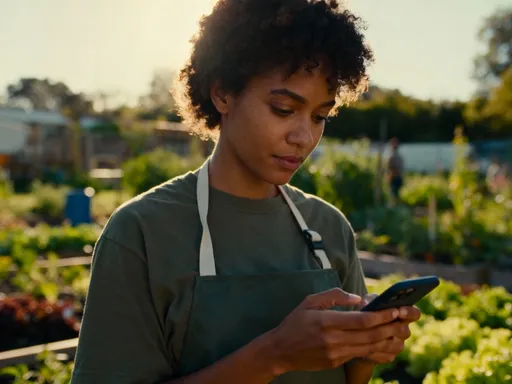
My first step wasn’t downloading an app or buying a new device. It was changing my mindset. I began to ask myself: what if my phone, my laptop, even my smart speaker, weren’t the enemy? What if they could actually help me feel calmer, more focused, more connected? That shift—from seeing tech as noise to seeing it as nourishment—was everything. I started small. I turned off notifications for everything except texts from my family and calendar alerts. No more buzzes for sales, social media likes, or breaking news that could wait. It felt strange at first, like I was missing out. But within days, I noticed something: I wasn’t jumping every time my phone lit up. I could finish a conversation with my daughter without interruption. I could read a book before bed without being pulled into a rabbit hole of updates. I also began to be more intentional about what I allowed into my digital space. Instead of downloading every app that promised to ‘change my life,’ I asked: does this actually make my days easier? If not, I skipped it. I unsubscribed from newsletters that just cluttered my inbox. I deleted games I never played. Slowly, my devices started to feel less like sources of stress and more like quiet allies. One friend said, ‘I don’t trust tech to help me—it always ends up taking more than it gives.’ I get that. But here’s what I’ve learned: tech doesn’t have to be overwhelming. When you use it with purpose, it can create space—mental space, emotional space, even time—so you can focus on what truly matters. It’s not about living online. It’s about using online tools to live better offline.
The Power of One Task at a Time (And the App That Made It Possible)
I used to pride myself on multitasking. Cooking dinner, helping with homework, answering emails—all at once. But the truth? I wasn’t doing any of it well. I’d forget ingredients, snap at my kids, and send emails with typos. I thought I was being efficient, but I was just spreading myself too thin. The real change came when I discovered a simple task-management app—one that didn’t look flashy or promise miracles, but just helped me focus on one thing at a time. I started by listing my daily tasks, not in a chaotic jumble, but in order of priority. Then, I broke big tasks into small steps. ‘Plan birthday party’ became ‘1. Choose date, 2. Call venue, 3. Send invites.’ Suddenly, it didn’t feel impossible. I set up gentle reminders that matched my routine—like a prompt at 9 a.m. to review my day, or a chime at 4 p.m. to start thinking about dinner. The app even lets me check things off with a swipe, and honestly, that little ‘ding’ of completion became a tiny victory every day. One Saturday, I used it to prepare for a family picnic. Instead of last-minute panic, I had a checklist: pack snacks by Friday night, charge the speaker, confirm who’s coming. I actually enjoyed the prep—because I wasn’t stressed. My husband noticed. ‘You seem calmer,’ he said. ‘You’re not rushing around like a tornado.’ That’s when it hit me: focus isn’t just about getting things done. It’s about being present while you do them. When you’re not juggling five thoughts at once, you can actually taste your coffee, hear your child’s story, and feel the sun on your face. That app didn’t just organize my tasks—it gave me back my attention.
Shared Calendars: Keeping My Family in Sync Without the Chaos
Remember that dentist appointment I missed? That was the last time I kept family schedules in my head. We now use a shared digital calendar, and it’s been a game-changer. Before, my husband and I were constantly double-booking weekends or showing up late to events because only one of us knew the plan. Our kids had activities, school meetings, sports games—so many moving parts. Now, everything goes into the calendar: soccer practice, piano lessons, even grocery runs. We each have our own color—mine is purple, his is blue, the kids are green and orange—so at a glance, we can see who’s doing what. I set up alerts: 15 minutes before, 1 hour before, sometimes even a day ahead for big events. And here’s the best part: my teenagers actually use it. At first, they rolled their eyes. ‘Mom, I don’t need a reminder to go to school.’ But when they realized it helped them remember library due dates and friend’s birthdays, they warmed up. Now, my daughter adds her study group meetings, and my son marks when he needs a ride. It’s not about control—it’s about care. It’s one less thing to argue about. One less ‘I didn’t know!’ moment. One more way we stay connected, even when we’re busy. I’ll never forget the first time my husband said, ‘Thanks for putting the vet appointment in—saved me from forgetting again.’ That small moment meant so much. It wasn’t just about the dog’s checkup. It was about us being a team. And when life feels chaotic, that sense of teamwork is everything.
Digital Decluttering: Less Screen Time, More Real Life
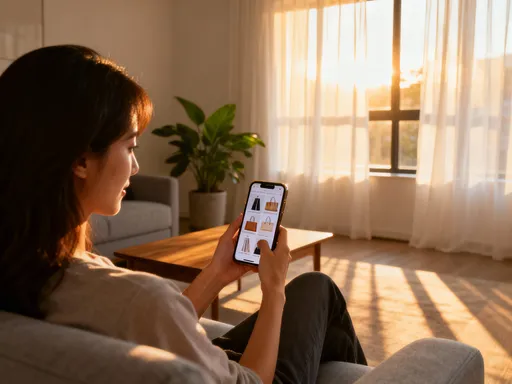
Here’s something I didn’t expect: cleaning up my phone made me feel lighter—like I’d decluttered my mind. I used to have 150 apps, most of which I never opened. Scrolling through pages of icons felt overwhelming, like walking into a messy closet every time I unlocked my screen. So I did a digital reset. I uninstalled anything I hadn’t used in the past month. Games, duplicate note apps, shopping sites I forgot I signed up for—all gone. Then, I organized what was left. I grouped apps into folders: ‘Home,’ ‘Work,’ ‘Family,’ ‘Wellness.’ I even changed my wallpaper to a photo of my kids at the beach—something that makes me smile, not something that pulls me into stress. I also set boundaries. No phones at the dinner table. No checking email after 8 p.m. I created ‘focus zones’ in our house—like the kitchen counter, where devices aren’t allowed during meals. At first, my family groaned. ‘But what if something important comes up?’ I said, ‘Nothing that can’t wait until after we eat.’ And you know what? The world didn’t end. Instead, we started talking—really talking—about our days. We laughed more. We listened. I also started doing a weekly ‘tech check-in’—just 10 minutes every Sunday to review what’s working and what’s not. Is an app causing stress? Delete it. Is a notification too aggressive? Turn it off. This isn’t about perfection. It’s about intention. And the more I simplified my digital life, the more I noticed real life coming into focus. I read more books. I took walks without my phone. I even started journaling again. It turns out, when you stop feeding your brain constant noise, it starts to crave peace. And that’s a gift no app can give—but tech, used wisely, can help you find it.
Building Habits That Stick: How Small Tech Tweaks Changed My Days
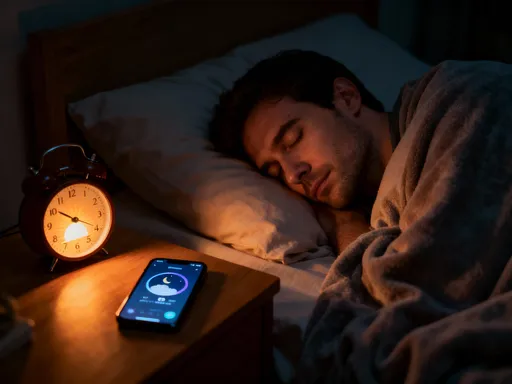
Habits are hard. I’ve tried to start a gratitude journal five times. I’d write for three days, then forget. But last year, I tried something different: I used a simple reminder on my phone. Every night at 8:30, a gentle notification would pop up: ‘Pause. What are you grateful for?’ No pressure. No checklist. Just a nudge. At first, I’d ignore it. But slowly, it became part of my evening rhythm. I’d grab my notebook, write two or three things, and feel a little calmer. That small prompt—backed by tech—helped me build a habit that actually stuck. I did the same with morning routines. Instead of waking up and immediately grabbing my phone to scroll, I set a ‘morning check-in’ reminder: ‘Breathe. Drink water. Set one intention.’ It took time, but now it’s automatic. These aren’t fancy systems. They’re tiny moments of pause, made possible by simple tools. I also started using voice notes to capture ideas—while driving, folding laundry, waiting in the school pickup line. Instead of losing thoughts in the chaos, I’d say, ‘Note to self: call the dentist, buy birthday candles, research hiking trails.’ Later, I’d review them and add what mattered to my list. It felt like having a thoughtful assistant who never judged me for forgetting. One day, my daughter said, ‘Mom, you seem… happier.’ I realized it wasn’t just because I was getting more done. It was because I was becoming more aware—of my time, my thoughts, my feelings. Tech wasn’t making me robotic. It was helping me become more human. These small tweaks didn’t change my life overnight. But over time, they added up—like drops filling a bucket. And now, that bucket feels full of calm, clarity, and quiet confidence.
Finding Balance, Not Perfection: The Life I Live Now
I won’t lie—life is still busy. There are days when the laundry piles up, I forget to pack a snack, or work spills into the evening. But here’s what’s different: I don’t feel lost in it. I don’t feel like I’m failing. I have systems that support me, not stress me. I have space to breathe, to think, to be present. I’m not doing everything perfectly—and that’s okay. Balance isn’t about having a flawless schedule. It’s about having enough peace to enjoy the moments in between. I still use tech, of course. But now, it serves me instead of the other way around. I’m more present with my family. I laugh more. I worry less. I even have time for myself—reading, walking, sitting quietly with a cup of tea. One evening, as I put my phone down and joined my family on the porch to watch the sunset, my husband said, ‘You seem like yourself again.’ That meant more than any productivity hack ever could. Because this journey wasn’t really about getting things done. It was about getting my life back. And if you’re feeling overwhelmed, if you’re tired of juggling and still falling behind, I want you to know: you don’t need to do more. You don’t need to be harder on yourself. You just need to use what you already have—your devices, your routines, your intentions—in a way that supports you. Start small. Turn off one notification. Try one reminder. Clean up one screen. Let tech be the quiet helper, not the loud distraction. Because when you align your tools with your values, something beautiful happens: you stop surviving and start living. And that? That’s the real upgrade.